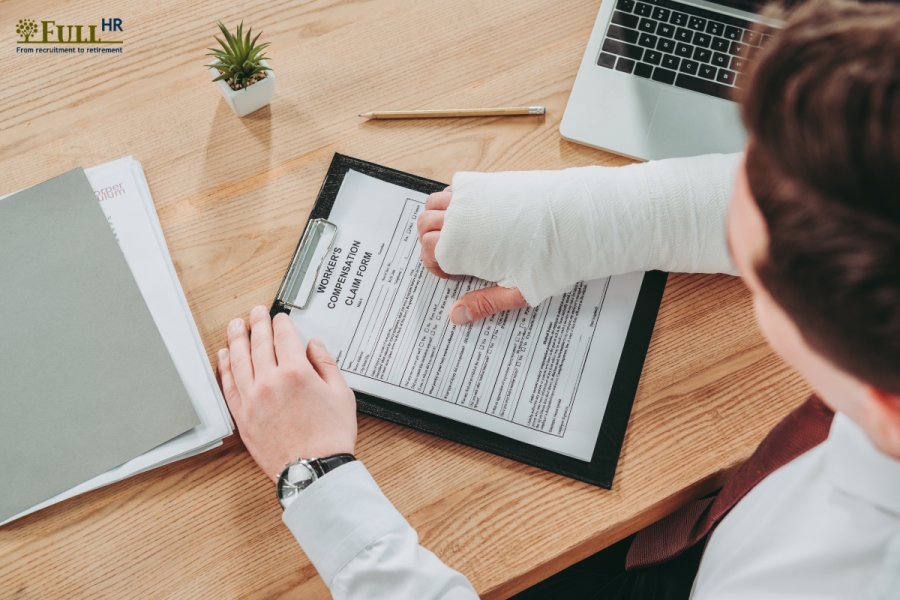
Workers’ compensation insurance is a necessary cost for every employer, but many business owners do not realize how much workplace culture influences those costs. The way an organization approaches safety, training, communication, and employee well-being can directly affect injury rates, claim frequency, and overall workers’ compensation premiums.
For many small and mid-sized companies, workers’ comp costs are not simply an insurance issue; rather, they reflect workplace practices. Organizations that actively promote a culture of safety and wellness often experience fewer workplace injuries, faster recovery times, and more stable insurance premiums.
Understanding Workers’ Comp Costs
OSHA and insurance carriers consistently emphasize that proactive safety programs are one of the most effective ways to control workers’ compensation costs.
Workers’ compensation insurance covers medical expenses and lost wages when employees are injured while performing their job duties. The Employer Paid Premiums are calculated based on payroll, job classification rates, and then adjusted by the company’s experience modification rate (mod), which reflects past claims’ performance.
The experience modification rate reflects your organization’s claim history. Companies with frequent or severe claims typically see higher premiums, while organizations with fewer incidents benefit from lower rates.
This is where workplace culture plays a critical role. A proactive approach to safety and employee well-being can significantly reduce the likelihood of costly claims.
Why Safety Culture Matters
A strong safety culture helps prevent accidents before they happen. When safety becomes a shared responsibility across the organization, employees are more aware of hazards and more likely to follow established procedures.
Businesses with effective safety cultures typically focus on:
- Regular safety training and education
- Clear reporting processes for hazards or incidents
- Leadership involvement in safety initiatives
- Ongoing workplace inspections and risk assessments
When safety is embedded into daily operations rather than treated as an occasional compliance exercise, injury rates tend to decline.
Leadership Sets the Tone
Workplace culture begins with leadership. When owners, executives, and managers actively reinforce safety standards, employees are more likely to adopt those behaviors.
Leaders can support a safety culture by:
- Participating in safety walkthroughs
- Addressing hazards quickly and consistently
- Providing proper equipment and training
- Reinforcing accountability for safety practices
Employees pay attention to what leadership prioritizes. When safety is visibly important to leadership, it becomes important to the entire organization.
Training and Equipment Play a Key Role
Safety training should be continuous, not a one-time event during onboarding. Regular training sessions help employees stay aware of potential risks and maintain safe work practices.
Effective safety training programs often include:
- Job-specific hazard education
- Regular refresher training
- Clear procedures for incident reporting
- Proper use of personal protective equipment (PPE)
Ensuring employees consistently use protective equipment and follow established safety procedures can significantly reduce workplace injuries.
Employee Engagement Strengthens Safety Culture
A culture of safety works best when employees feel involved in the process. Encouraging team members to identify hazards, suggest improvements, and look out for one another helps create shared accountability.
Organizations that actively engage employees in safety initiatives often benefit from:
- Earlier identification of potential risks
- Higher compliance with safety procedures
- Improved morale and teamwork
- Fewer workplace incidents
Recognizing employees for safe practices can also reinforce positive behavior and strengthen overall safety awareness.
Wellness Programs Also Reduce Risk
Employee wellness initiatives can support safety efforts by improving overall health and reducing risk factors that contribute to workplace injuries.
Programs that support physical and mental well-being may include:
- Health screenings and wellness challenges
- Stress management resources
- Mental health support programs
- Initiatives that encourage physical activity
Healthier employees tend to recover faster from injuries and may be less likely to experience certain types of workplace accidents.
The Financial Impact of a Safer Workplace
When injuries decrease, workers’ compensation claims decline as well. Over time, this can improve your experience modification rate and lower insurance premiums.
Beyond direct cost savings, organizations that invest in safety and wellness often experience:
- Improved employee morale
- Stronger retention
- Fewer operational disruptions
- Increased productivity
A safer workplace supports both employees and the long-term stability of the business.
How FullHR Helps Businesses Reduce Risk
Building a culture of safety requires more than policies on paper. It requires consistent leadership, strong HR practices, compliance oversight, and clear employee communication.
FullHR helps businesses implement strategies that support safer, more compliant workplaces, including:
- HR strategies that align safety practices with measurable reductions in claims and long-term insurance costs
- Compliance guidance for OSHA and workplace regulations
- Employee training and communication strategies
- Risk management support that helps reduce costly claims
By aligning HR practices with safety and compliance initiatives, companies can reduce risk while creating healthier workplaces for their employees.
Strengthen Your Workplace Culture with FullHR
Workers’ comp premiums are ultimately a lagging indicator of workplace behavior.
Workplace safety and employee well-being are not just operational priorities; they are strategic investments that can significantly influence your company’s financial health.
If your organization wants to strengthen its safety culture, reduce HR risk, and create a healthier work environment, FullHR can help. Contact the FullHR team today to learn how our HR expertise and compliance support can help protect both your people and your business.
